Hundreds of Resumes Per Role, Screened 5x Faster: With a Recruiter Making Every Decision
Resume parsing, skill extraction, and explainable role matching built into the existing ATS. Every score shows its reasoning. No candidate is ever auto-rejected.
Written by Shubham(opens in new tab), Founder at BestlaTech · Published July 9, 2026
Engagement Type
AI Integration: Resume Screening
Duration
5 Weeks
Client
HR Tech Platform
Client
HR Tech Platform
Duration
5 weeks
Category
AI Integration / HR Tech
Client's Markets
US
Screening Speed
5x
From resume pile to reviewed shortlist
Explainable Scores
100%
Every match shows which requirements it met
Auto-Rejections
0
AI assists; recruiters make every decision
Delivered in Production
5 wks
Fixed scope, fixed price
Key Facts
BestlaTech built AI resume screening into an HR tech platform's existing ATS, parsing resumes to structured data, extracting and normalizing skills, and matching candidates to role requirements with explainable scores. Recruiters screen 5x faster, every score shows which requirements matched, and no candidate is ever auto-rejected by the AI.
Client:
An HR tech / applicant tracking platformWhat was built:
An LLM pipeline inside the ATS: resume parsing, skill extraction and normalization, and explainable candidate-to-role match scoringTimeline:
5 weeks, integrated into the existing ATS workflowEngagement model:
Fixed scope, fixed priceDesign constraint:
AI ranks and explains; recruiters decide. Demographic fields are excluded from scoring inputs, and no candidate is auto-rejectedResult:
5x faster screening; consistent evaluation criteria across every recruiter and every roleThe Challenge
Hundreds of Resumes, Skimmed by Hand
Popular roles drew 200+ applications. Manual screening meant seconds per resume, and quality that depended on how deep in the pile a candidate landed.
Criteria That Drifted
Different recruiters weighed the same resume differently, and the same recruiter weighed it differently at 9 AM versus 6 PM. Consistency was structurally impossible.
No Black Boxes Allowed
Hiring AI faces real regulatory and ethical scrutiny. An unexplainable score (or worse, an auto-rejection) was ruled out before the first line of code.
Structured Extraction. Explainable Scores. Humans Decide.
Responsible screening AI is an architecture choice, not a disclaimer. We built the pipeline so every score can show its work, demographic signals never enter the scoring inputs, and the AI's job ends where the decision begins.
Structured Extraction First
Resumes are parsed into a normalized schema (skills, experience, education, certifications) with skill synonyms unified ('React.js' = 'ReactJS'). Matching runs on structured data, not raw resume text.
Explainable Match Scores
Every candidate-to-role score decomposes into which requirements matched, which didn't, and where the evidence came from in the resume. Recruiters see reasoning, not a number from nowhere.
AI Ranks. Recruiters Decide.
The system orders and summarizes the pile. It never rejects anyone. Every candidate remains a recruiter's decision, which is both the responsible design and what keeps the platform's customers compliant.
Bias Guardrails in the Inputs
Names, photos, addresses, dates that proxy for age: excluded from scoring inputs by design. Fairness handled at the architecture level, not in a policy PDF.
Technologies Used
Key Features
LLM resume parsing to a validated, normalized schema: skills, experience, education, certifications
Skill normalization unifying synonyms and variants across resumes and role requirements
Explainable candidate-to-role match scoring, every score decomposes into matched requirements and evidence
Plain-language candidate summaries in the existing ATS candidate list
Demographic fields and proxies excluded from scoring inputs by design
No auto-rejection, structurally: the AI ranks and explains; recruiters decide
REST API integration into the existing ATS workflow: no new tool for recruiters to learn
Full audit trail of every parse, score, and explanation
Results & Impact
Screening speed improved 5x: from resume pile to reviewed shortlist
Evaluation criteria consistent across every recruiter, every role, every hour of the day
Every match score fully explainable: recruiters see the reasoning, not just a number
Strong candidates surfaced from deep in the pile instead of being lost at resume #214
Zero auto-rejections by design: human decision-making preserved end to end
Delivered in 5 weeks on fixed scope, fixed price
Recruiters stopped skimming and started deciding. The pile arrives parsed, scored, and explained, and the judgment calls that actually determine who gets hired stay exactly where they belong: with people.
Before vs After
| Before | After | |
|---|---|---|
| Screening speed | Seconds of human skim per resume | 5x faster to a reviewed shortlist |
| Consistency | Varied by recruiter and time of day | One structured rubric, applied uniformly |
| Deep-pile candidates | Effectively invisible | Ranked on merit, wherever they applied |
| Explainability | Gut feel, undocumented | Every score shows its evidence |
| Decisions | Human, but rushed | Human, with the reading done |
If You're Adding AI to a Product Where Decisions Matter, This Is the Pattern.
Screening resumes, triaging claims, reviewing applications: high-stakes classification has the same requirements everywhere: structured extraction, explainable scores, and humans making the calls. That's buildable in weeks, inside the product you already have.
HR Tech & ATS Platforms
Screening intelligence is table stakes in your market, but it has to be explainable and compliant. This is the architecture that satisfies both your customers and their lawyers.
SaaS Products Adding AI Features
Your users want AI in the workflow they already have, not a new tool. LLM pipelines integrated via your existing APIs ship in weeks.
Any High-Stakes Review Workflow
Loan applications, insurance claims, vendor vetting: anywhere humans review structured-ish documents to make consequential calls, the same explainable pipeline applies.
AI in Your Product, Without the Black Box.
Most discovery calls take 30 minutes. By the end, you'll know what an explainable AI pipeline inside your product would look like and what a fixed-scope build involves.
Book Your Free Discovery Call (opens in new tab)Fixed scope. Fixed price. Zero surprises.
Frequently asked questions
Is AI resume screening fair, and is it compliant?
Does the AI automatically reject candidates?
How does it integrate with an existing ATS?
What about candidate data privacy?
How long does an integration like this take?
Who can add AI resume screening to an existing ATS?
Is AI resume screening legal, and how do I avoid bias claims?
Will AI screening reject good candidates automatically?
Talk to an expert
Get expert advice from our official advisors
More of Our Case Studies
Explore our diverse portfolio of successful projects and innovative case studies that showcase our expertise in delivering top-notch solutions.
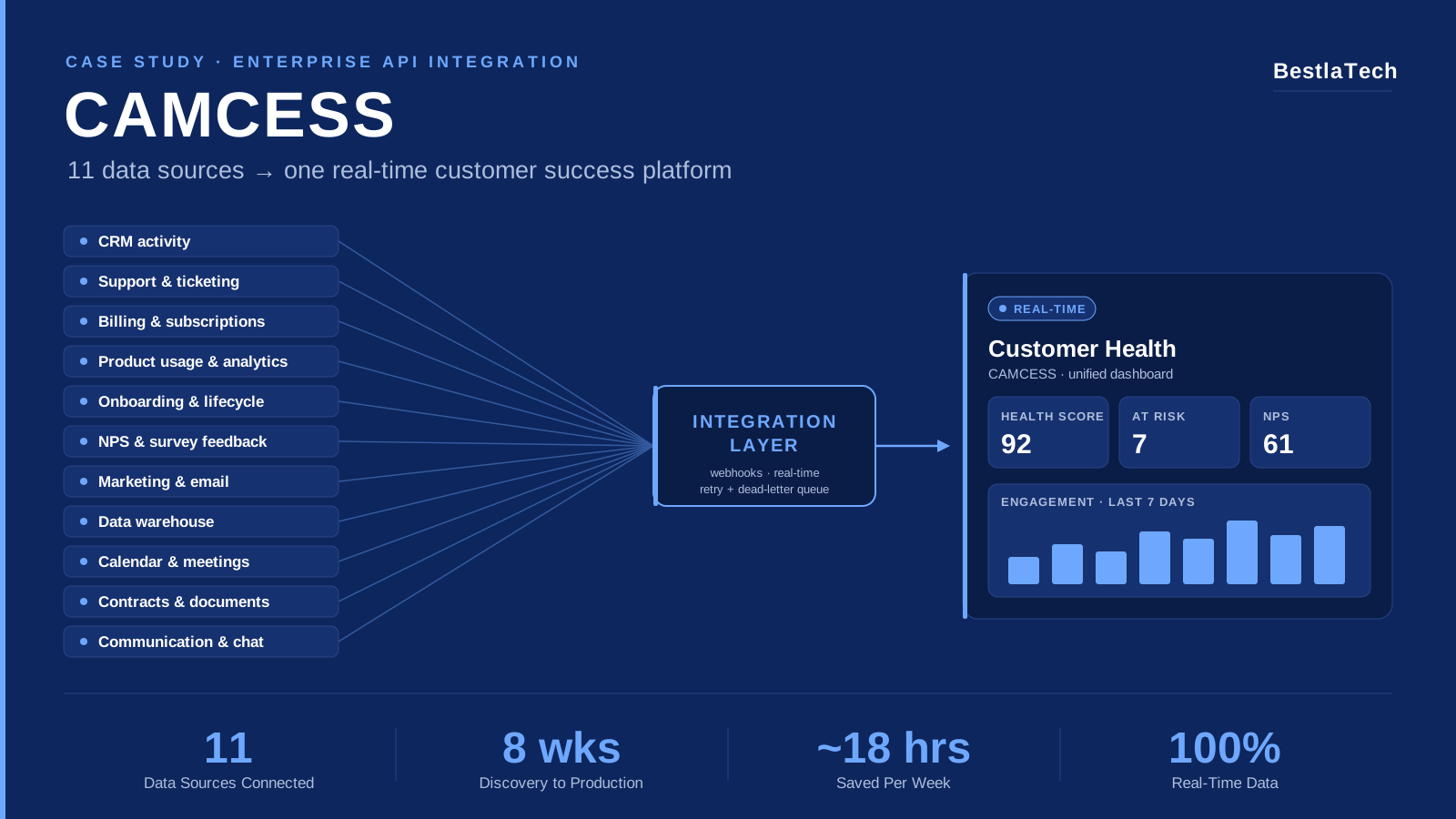
Customer Success SaaS
CAMCESS: How BestlaTech Connected 11 Data Sources into a Real-Time Customer Success Platform
End-to-end enterprise API integration for a B2B customer success SaaS, connecting 11 siloed data sources into a single real-time customer health dashboard, replacing weekly manual reconciliation entirely.
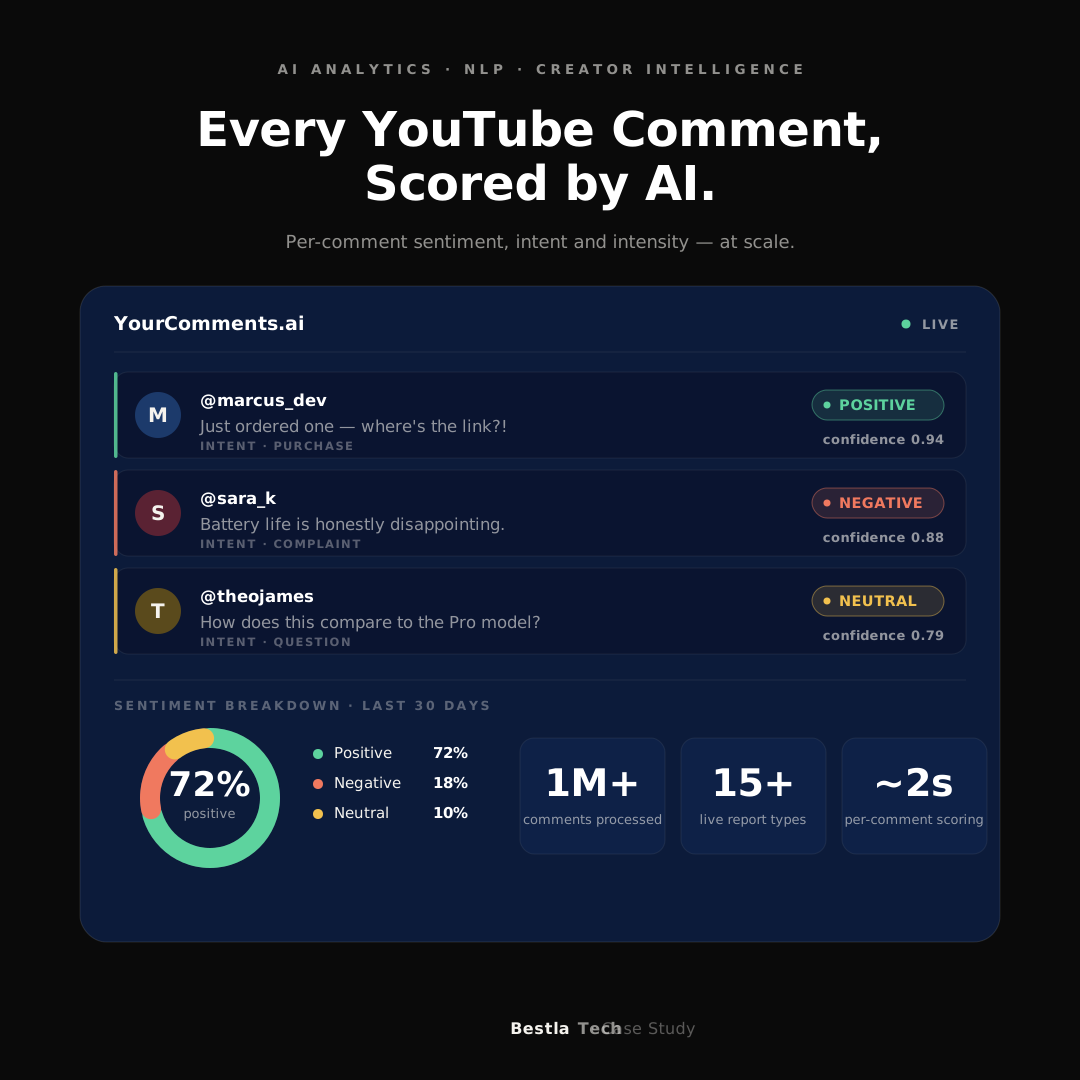
AI Analytics · NLP · Creator Intelligence
YourComments.ai: How BestlaTech Built a YouTube Comment Sentiment Analysis Platform from the Ground Up
Full-stack AI analytics platform built from scratch: fetching YouTube comments at scale, running per-comment sentiment analysis via OpenAI, streaming results through an NDJSON pipeline, and delivering creator and brand intelligence through live Metabase dashboards.
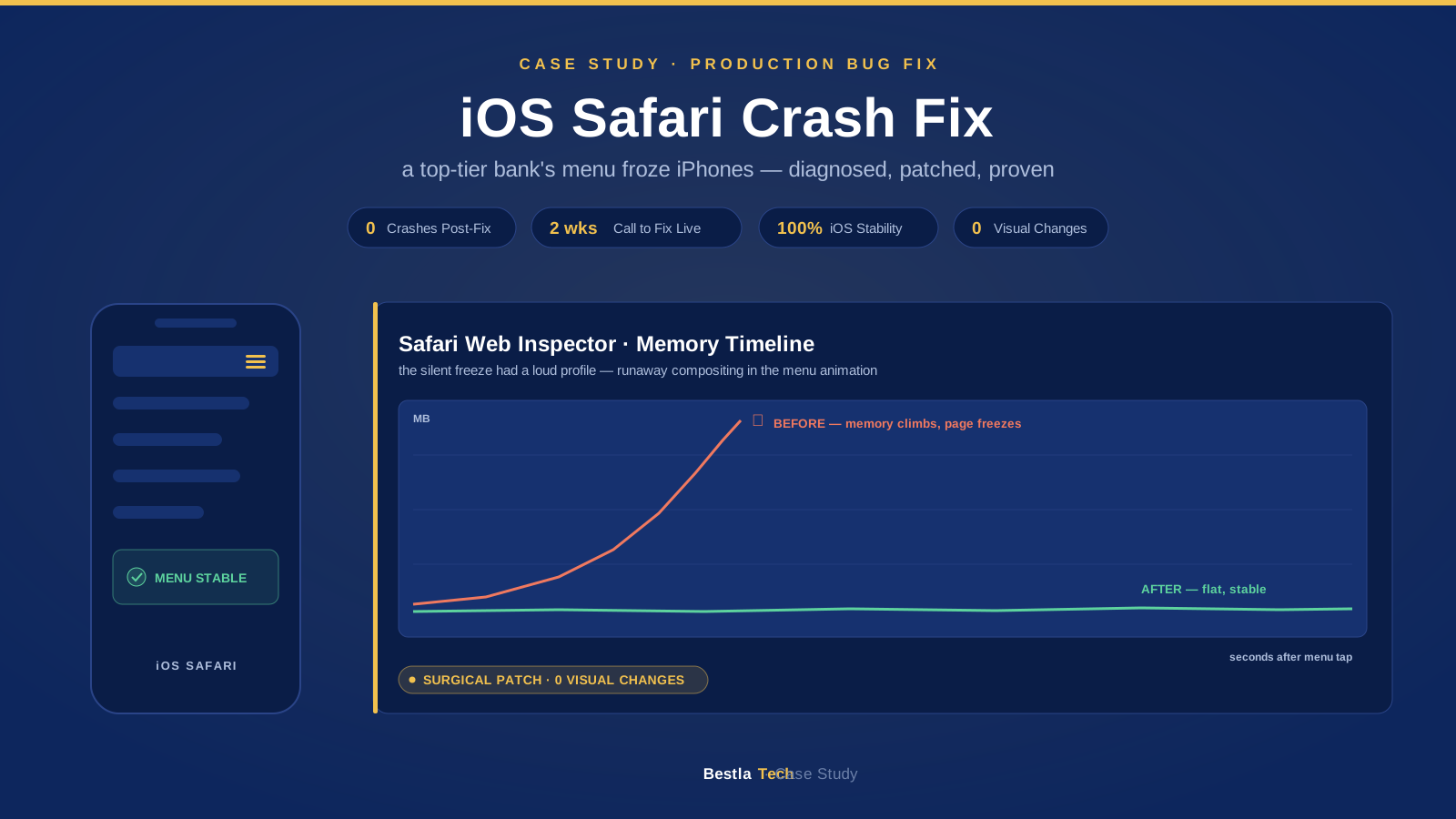
Mobile Web / Performance & Debugging
Diagnosing and Fixing an iOS Safari Navigation Crash on a Top-Tier Indian Bank's High-Traffic Website
Production incident engagement for a top-tier Indian private bank: the website's hamburger menu froze iPhones within seconds of a tap. Root cause diagnosed, patched, and verified across iOS versions in 2 weeks.
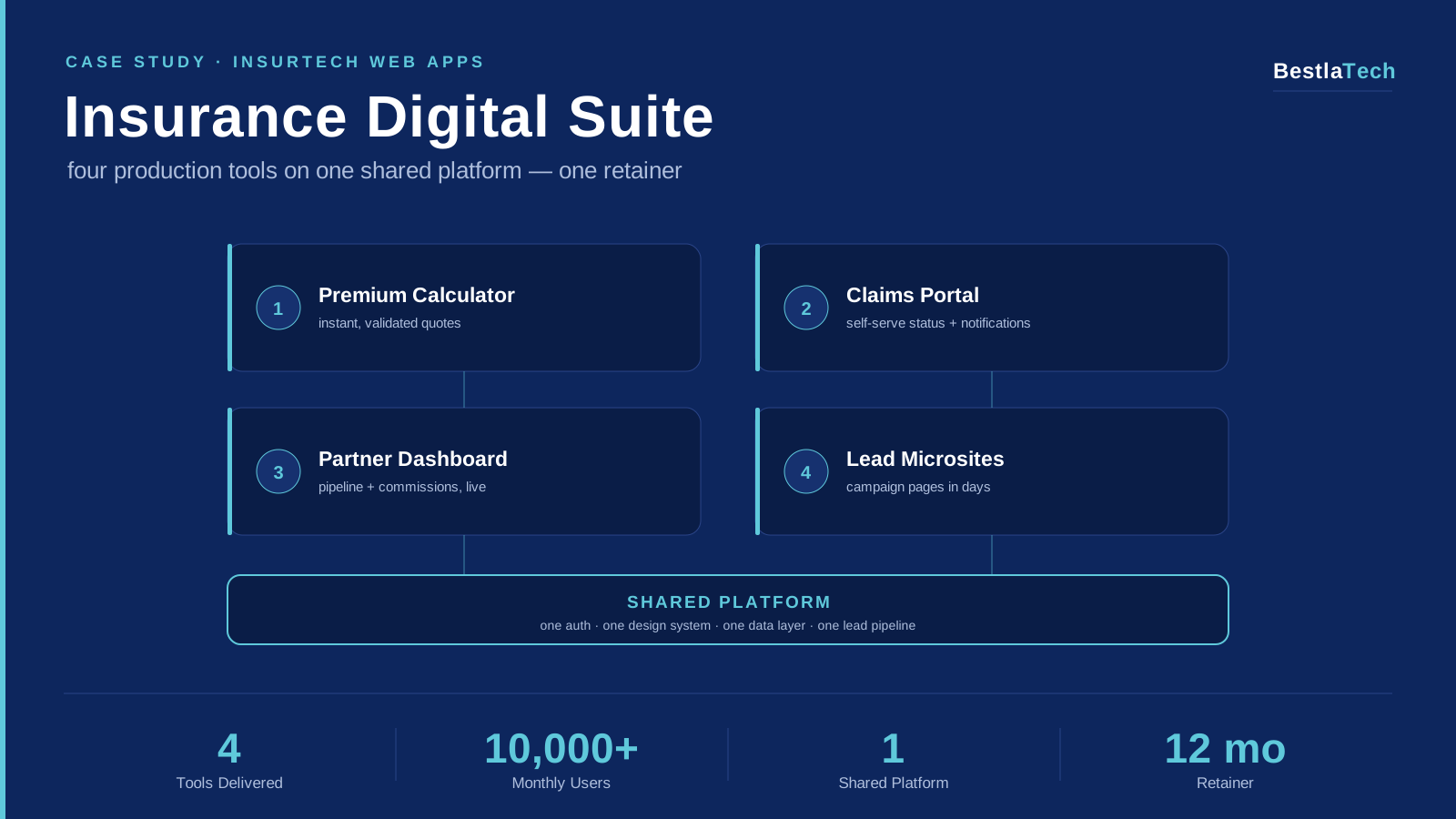
InsurTech / Web App Development
A Multi-Project Digital Suite for an Indian Insurance Broker: Premium Calculator, Claims Portal, Partner Dashboard & Lead Microsites
Multi-project engineering retainer for an Indian insurance broker: four tools delivered on one shared platform: an accurate premium calculator, a self-serve claims tracking portal, a partner/agent dashboard, and campaign lead microsites, now serving 10,000+ monthly users.
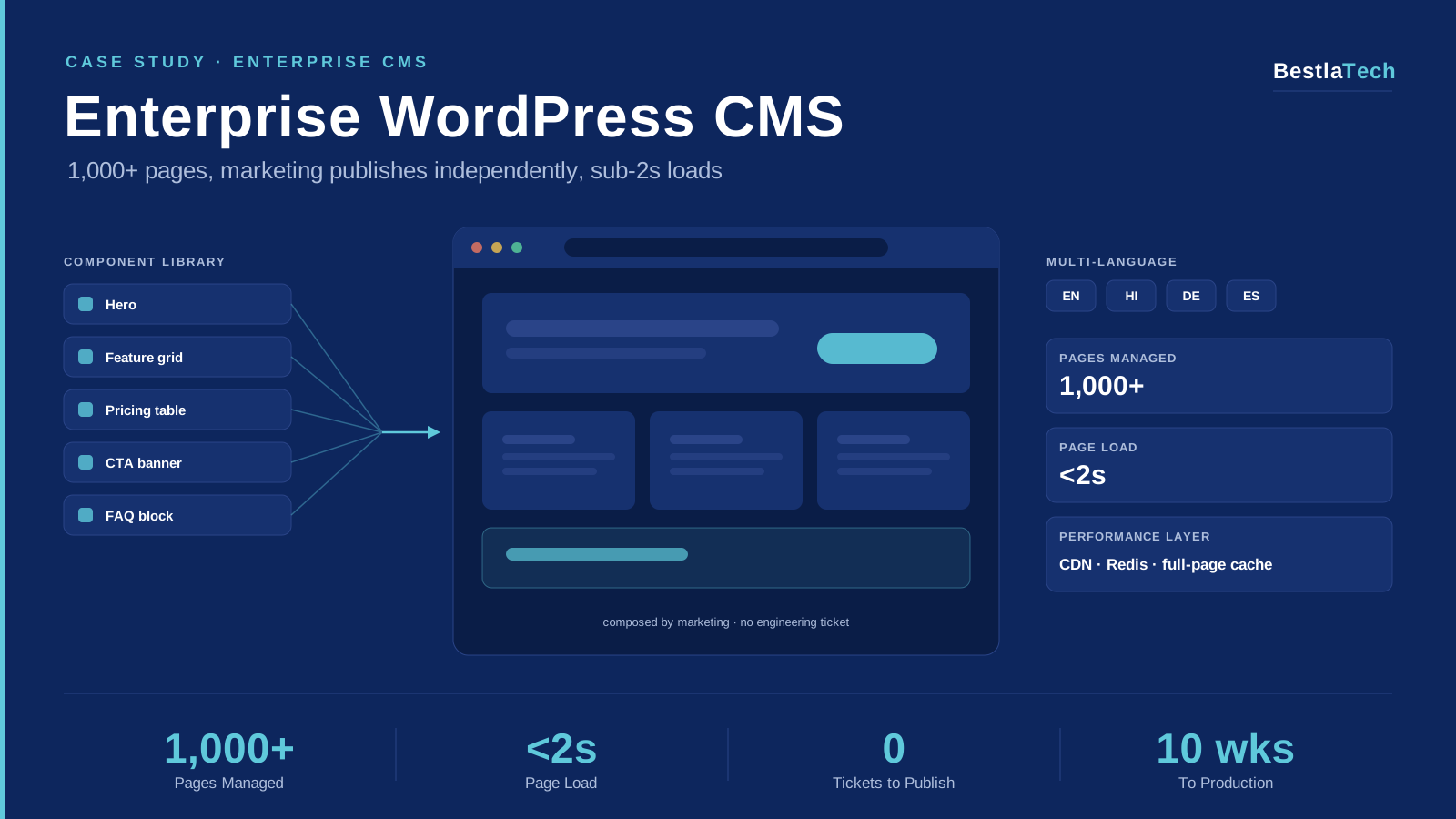
CMS Development / WordPress / Enterprise
An Enterprise WordPress CMS for a Leading CPaaS Company: 1,000+ Pages, Independent Publishing, Sub-2s Loads
Enterprise CMS build for a leading CPaaS company: a custom component-based WordPress theme, structured content architecture, and multi-language support that lets the marketing team publish independently at 1,000+ page scale with sub-2-second loads.
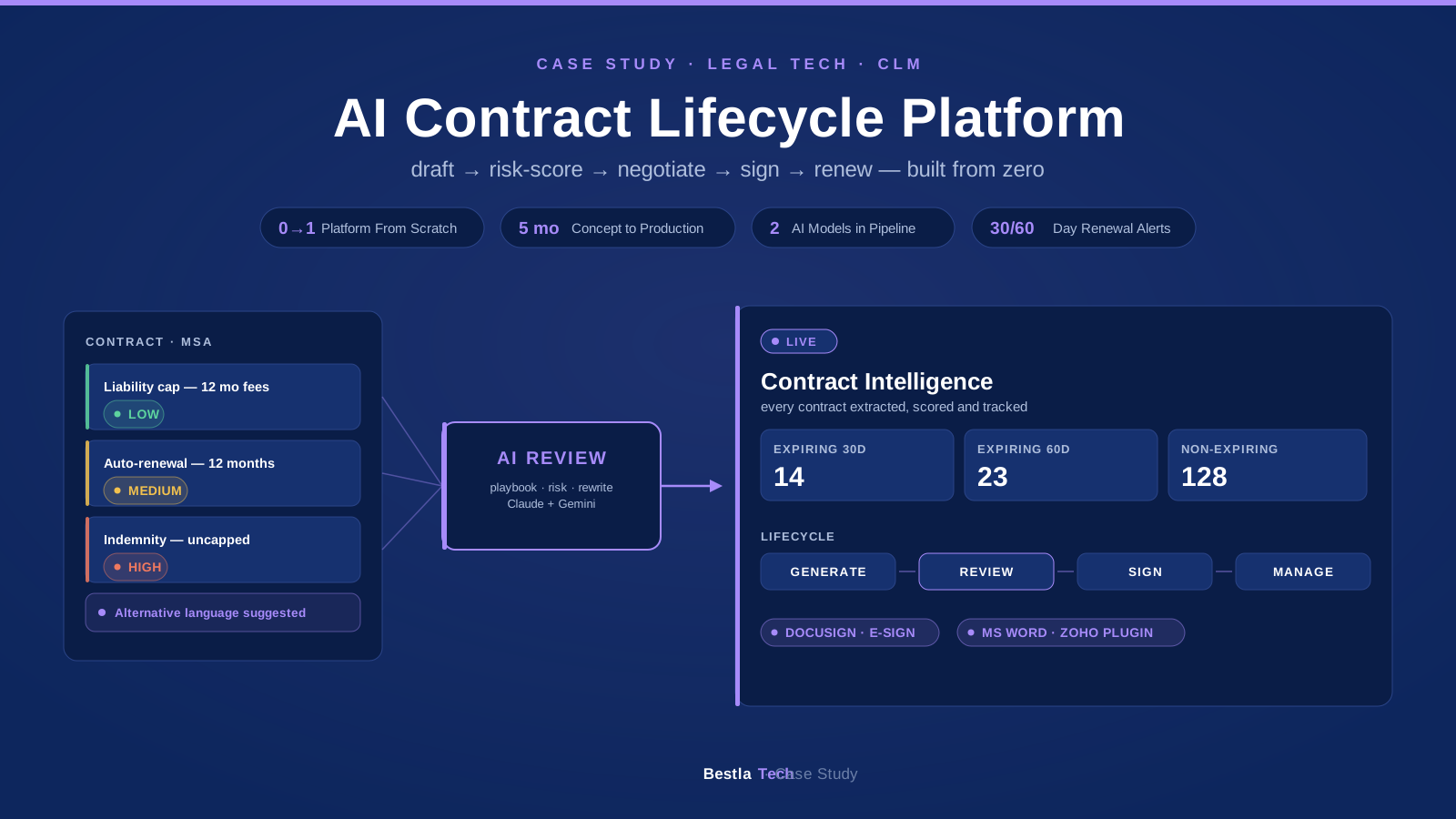
Legal Tech / CLM / AI Platform
Building an AI-Powered CLM Platform from Zero: Contract Generation, Clause Risk Scoring, Playbooks, E-Signature & Renewals
Full CLM (Contract Lifecycle Management) platform built from scratch for a legal-tech SaaS company (client name withheld). AI contract generation, metadata extraction and characterization, clause-by-clause risk scoring with suggested alternative language, playbook-driven review, 30/60-day renewal categorization, DocuSign e-signature, and Microsoft Word integration via a Zoho plugin.
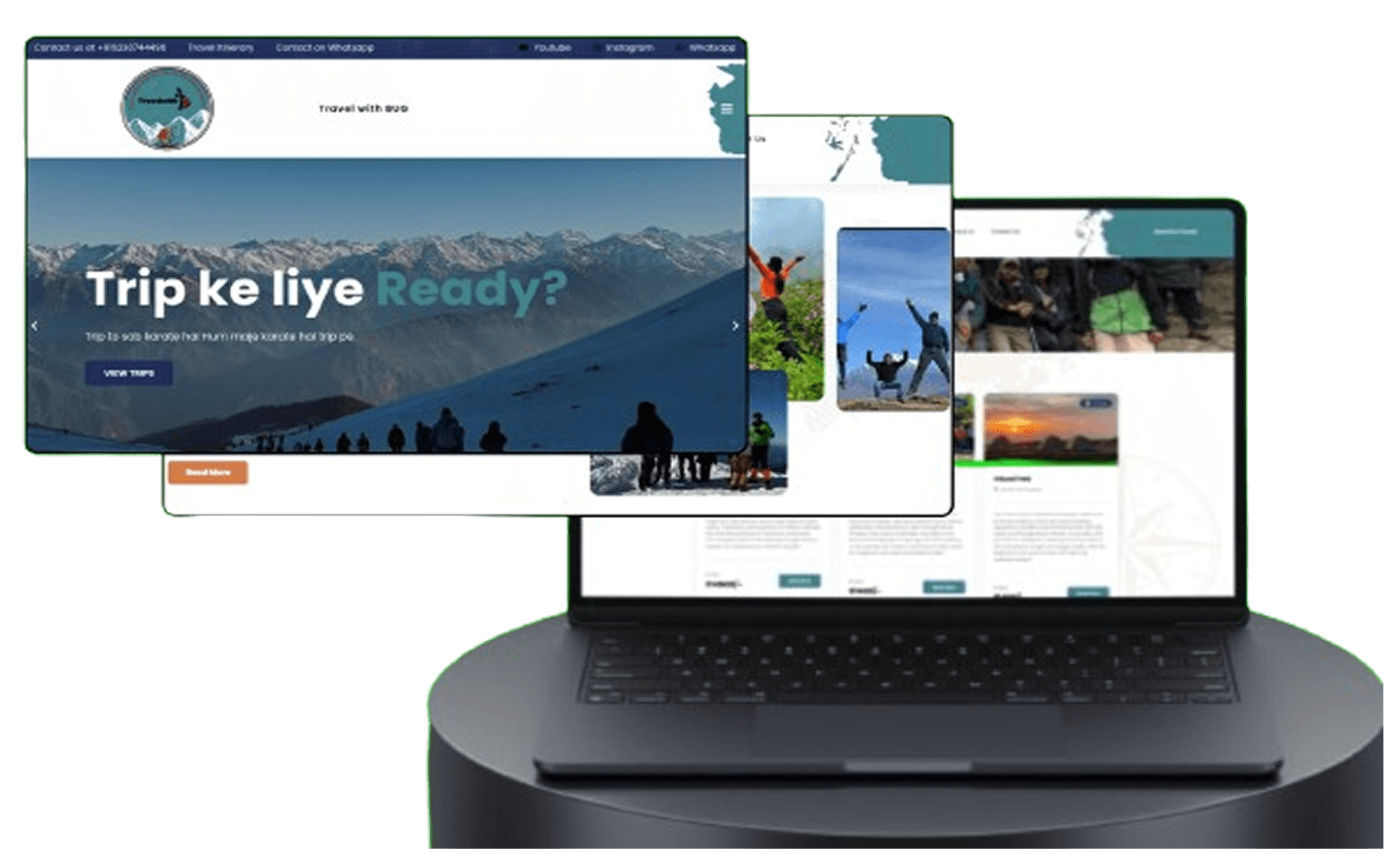
Travel & Tourism
Building a Complete Digital Presence for Travel With Bug Travel Company
End-to-end digital transformation for a travel agency - professional responsive travel website development with WordPress CMS, online booking system, tour package management, and SEO optimization for organic lead generation.
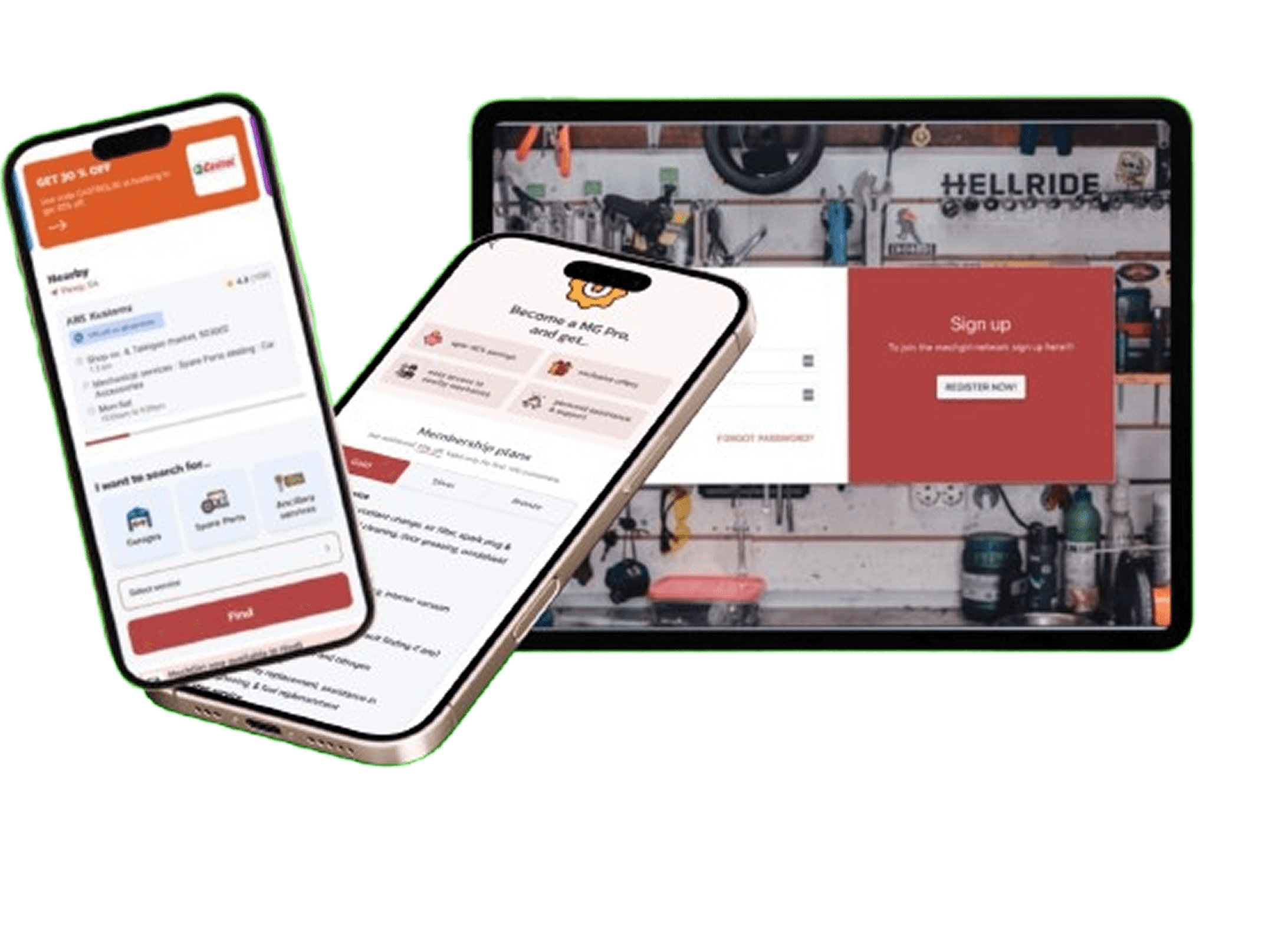
On-Demand Services
Full-Stack Mobile App and Web Development for Mechgiri On-Demand Auto Service Platform
Custom mobile app development and web application for on-demand vehicle servicing - featuring real-time tracking, technician management, automated booking system, secure payment gateway integration, and cross-platform admin dashboard.
E-Commerce
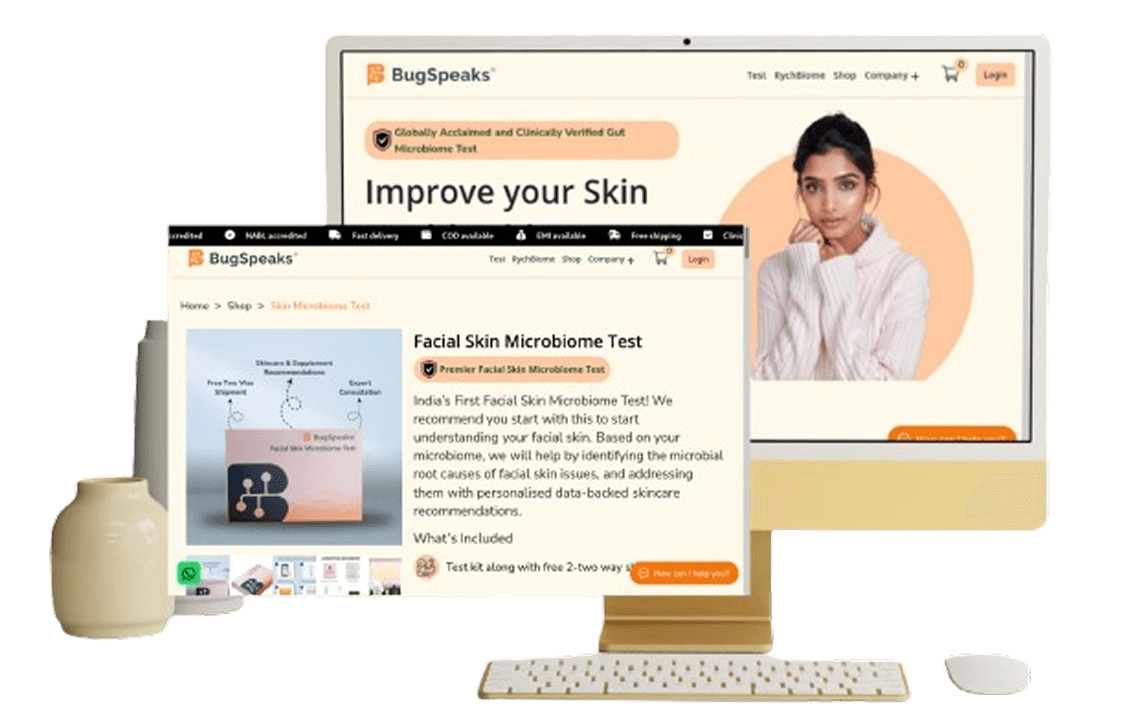
Custom E-Commerce Website Development for BugSpeaks Gut Health Brand
Complete digital transformation from offline to online business - custom e-commerce platform development with Django, automated inventory management, secure payment integration, order tracking system, and scalable cloud infrastructure for health and wellness products.
Agritech / Smart Farming
Redesign and Performance Optimization for Letcetra Agritech
Complete frontend modernization for smart agriculture platform - Next.js development with server-side rendering, React component architecture, mobile-first responsive design, advanced SEO optimization, and performance enhancement for agritech industry leader.
FinTech / Financial Operations
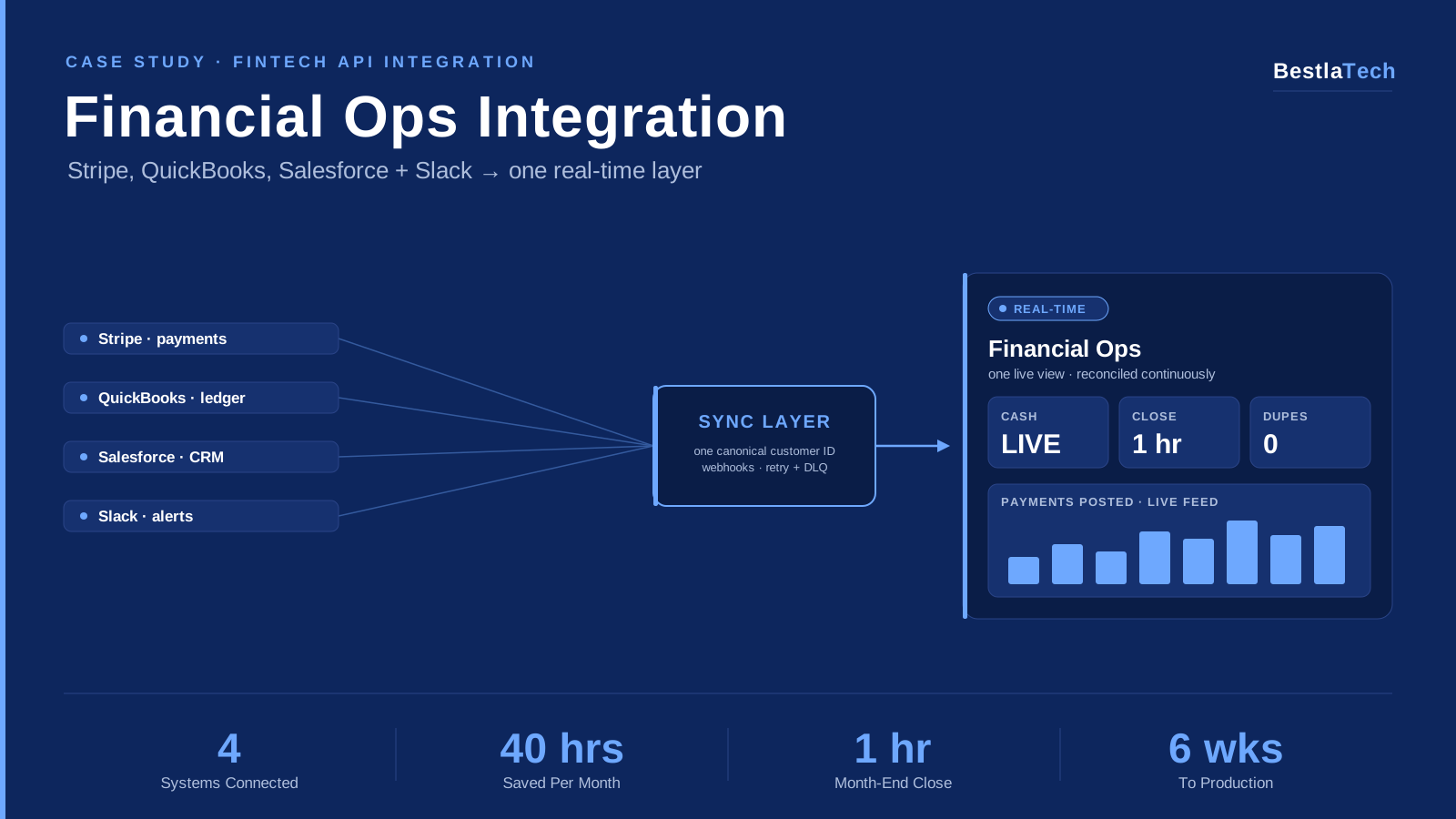
How a US FinTech SaaS Unified Stripe, QuickBooks, Salesforce & Slack into One Real-Time Financial Ops Layer
Multi-system API integration for a venture-backed US fintech SaaS. Stripe, QuickBooks, Salesforce, and Slack connected into one real-time financial operations layer, cutting the month-end close from 3 days to 1 hour.
Logistics / Supply Chain
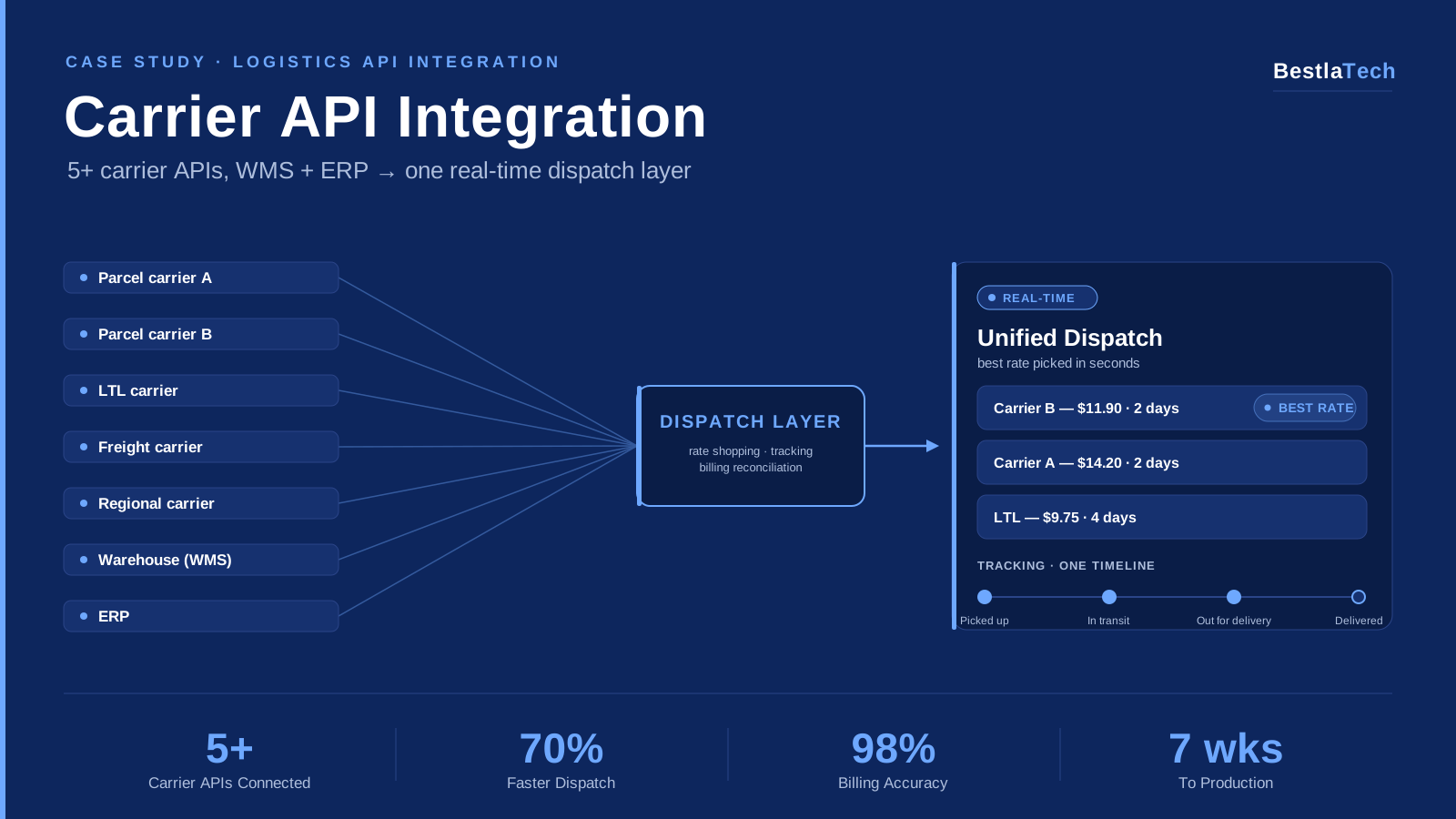
How a US Logistics Operator Unified 5+ Carrier APIs, WMS & ERP into One Real-Time Dispatch Layer
Multi-carrier API integration for a US logistics operator: parcel, LTL, and freight carrier APIs connected with the warehouse management system and ERP into one dispatch layer with automated rate shopping and unified tracking.
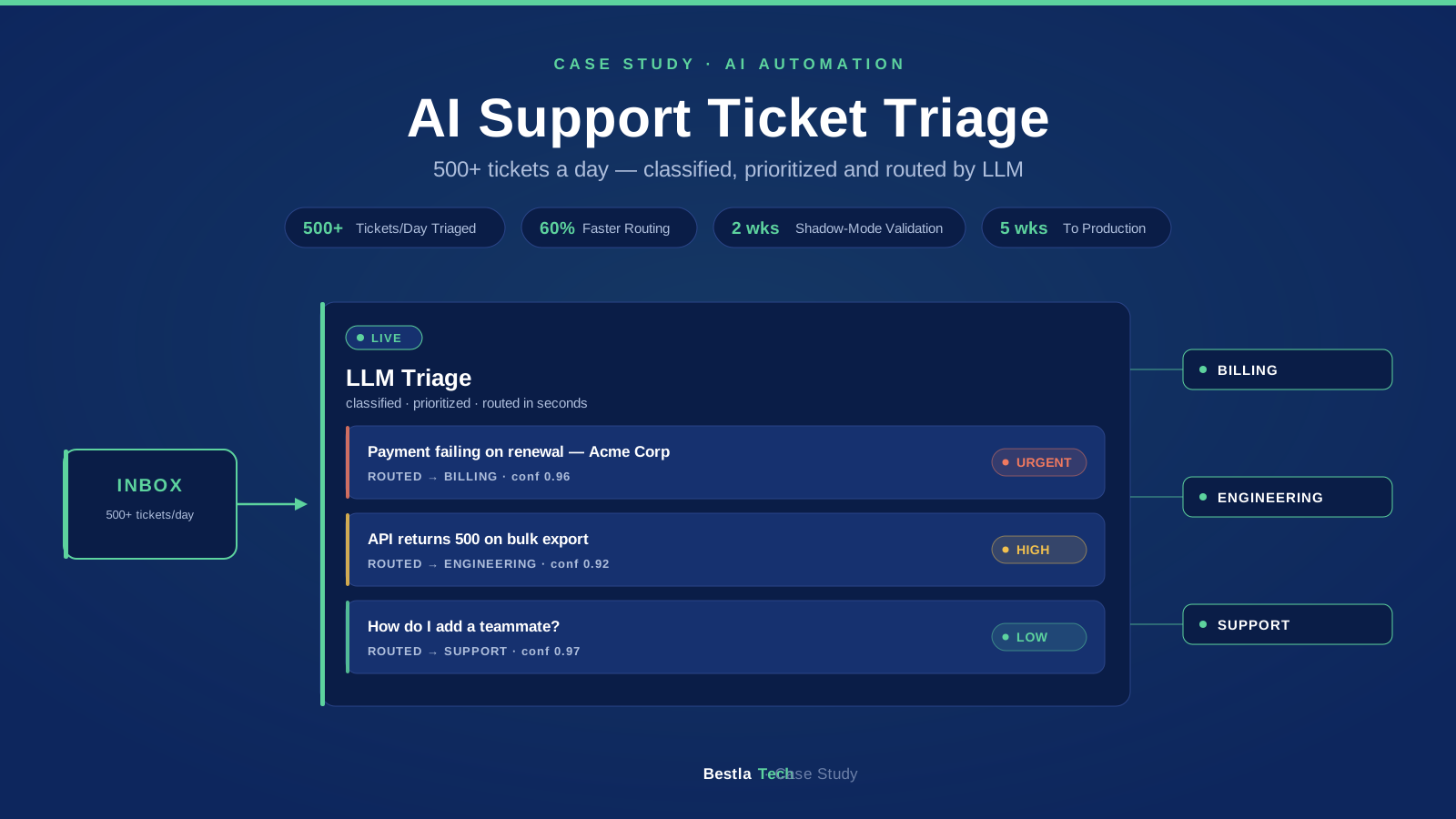
AI Automation / Customer Support
How a B2B SaaS Support Team Automated Ticket Triage with an LLM Pipeline: 500+ Tickets a Day, Routed in Seconds
LLM-powered support ticket triage for a B2B SaaS company: automatic classification, prioritization, and specialist routing of 500+ daily tickets, with confidence thresholds and human-in-the-loop review built in.
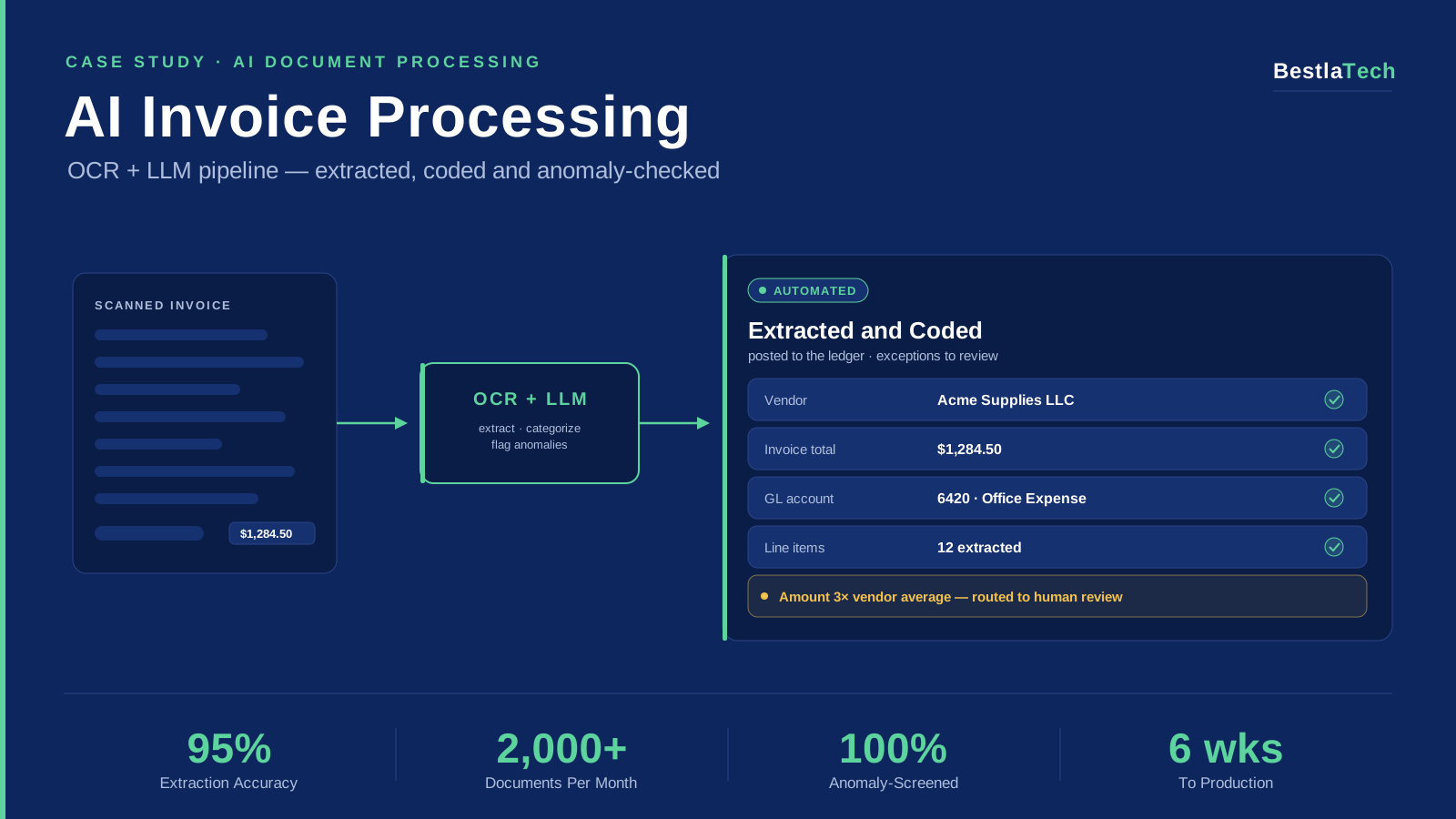
AI Automation / Accounting
How a US Accounting Firm Automated Invoice & Expense Processing with an OCR + LLM Pipeline: 2,000+ Documents a Month
AI document processing for a US accounting firm: an OCR + LLM pipeline that extracts line items from scanned invoices, auto-categorizes them to the chart of accounts, and flags anomalies, with a human review queue for low-confidence documents.
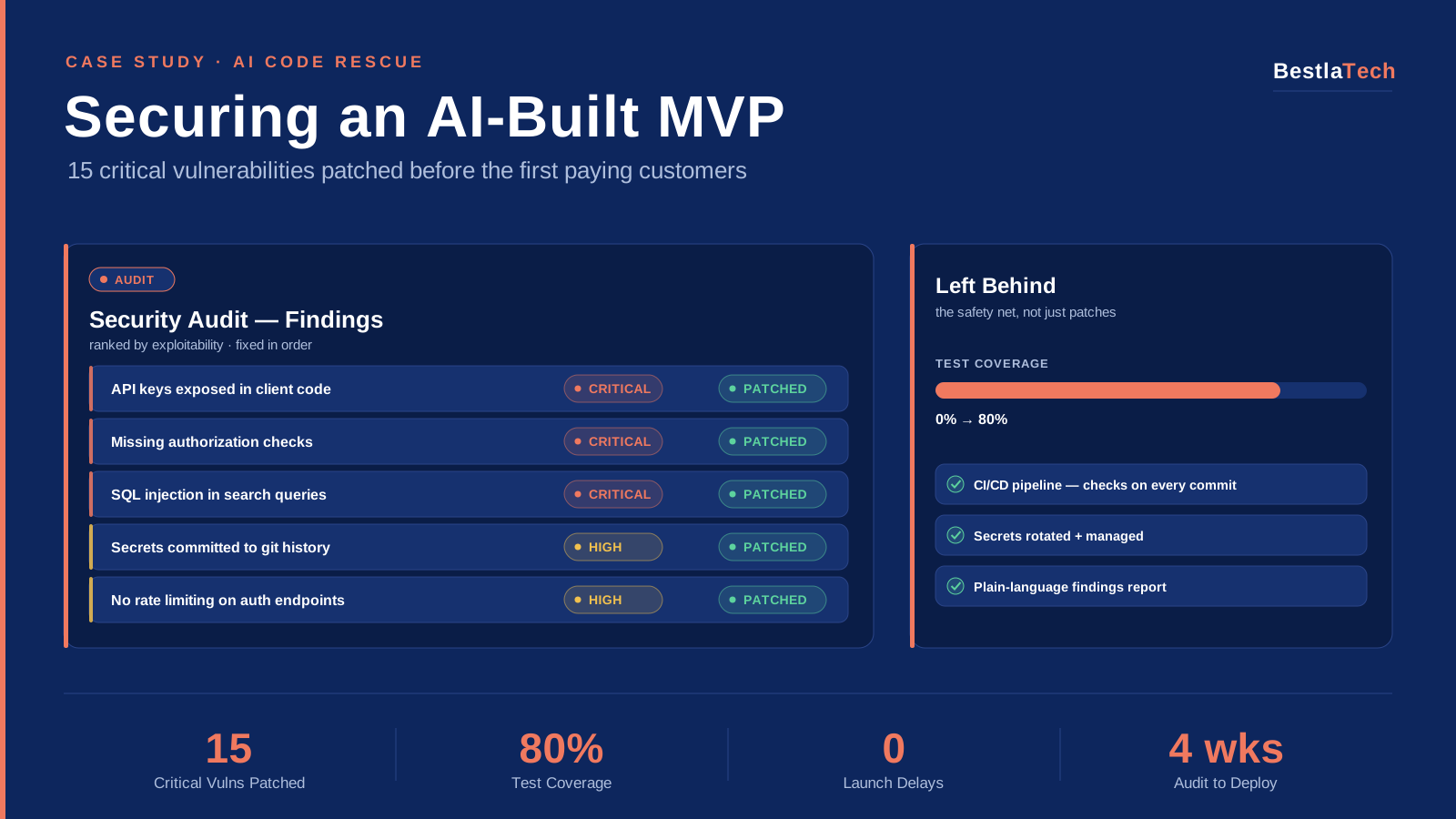
AI Code Rescue / Security
Rescuing an AI-Generated MVP: 15 Critical Vulnerabilities Patched Before the First Paying Customers Arrived
AI code rescue for a seed-stage SaaS startup: a security audit and hardening of an AI-generated MVP: 15 critical vulnerabilities patched, test coverage built from zero to 80%, and a CI/CD pipeline put in place before launch.
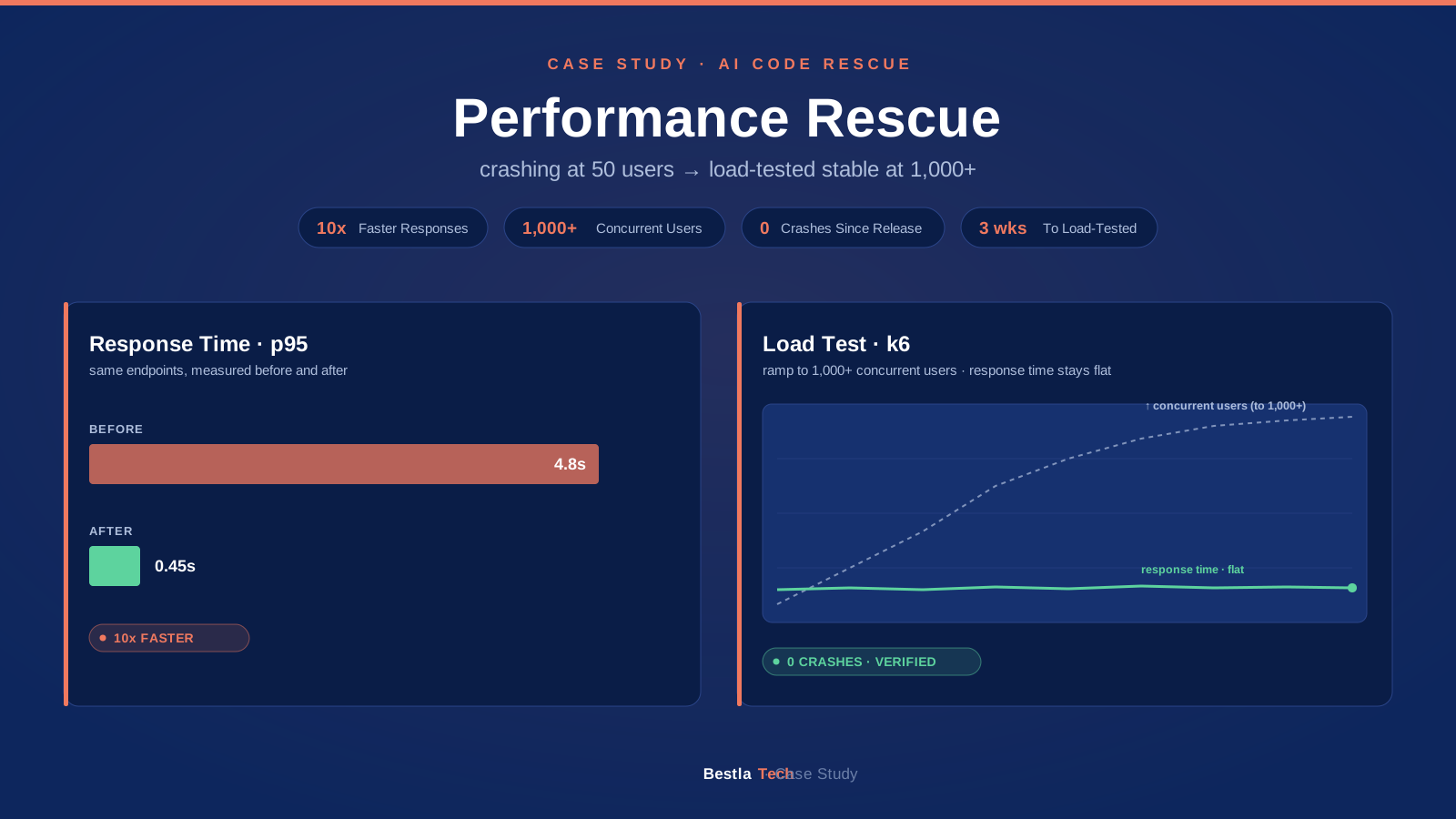
AI Code Rescue / Performance
From Crashing at 50 Users to Stable at 1,000+: Rescuing an AI-Generated App That Failed Under Real Load
Performance rescue for a consumer app startup: an AI-generated app that crashed under real traffic, fixed in 3 weeks: N+1 queries eliminated, memory leaks patched, caching added, and stability proven with load tests.
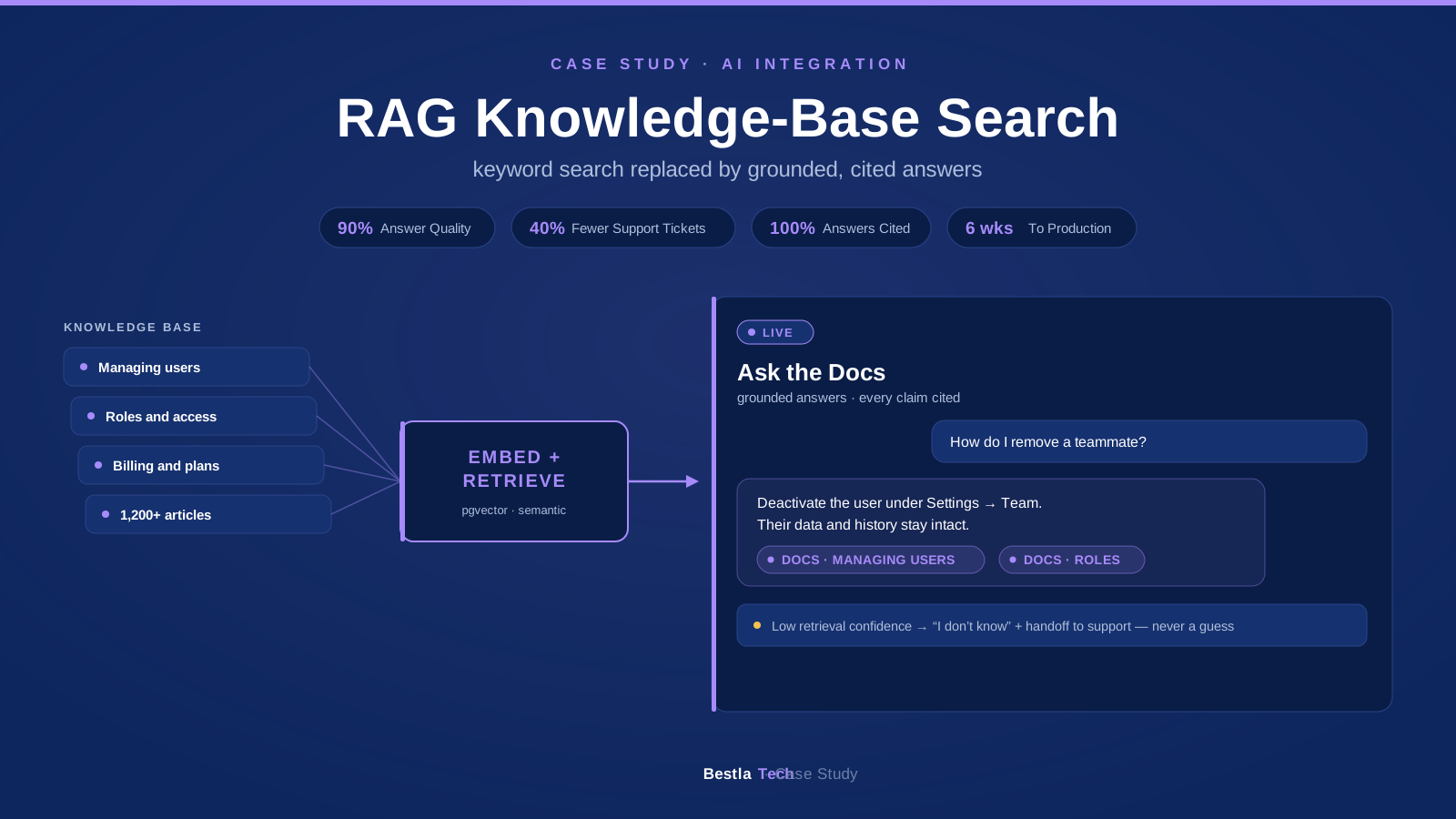
AI Integration / Knowledge Management
Replacing Keyword Search with a RAG Assistant: Grounded, Cited Answers Over a B2B Knowledge Base
RAG integration for a B2B SaaS platform. LLM-powered semantic search over the product knowledge base with grounded, cited answers, evaluated against a test set before launch. Support tickets down 40%.